
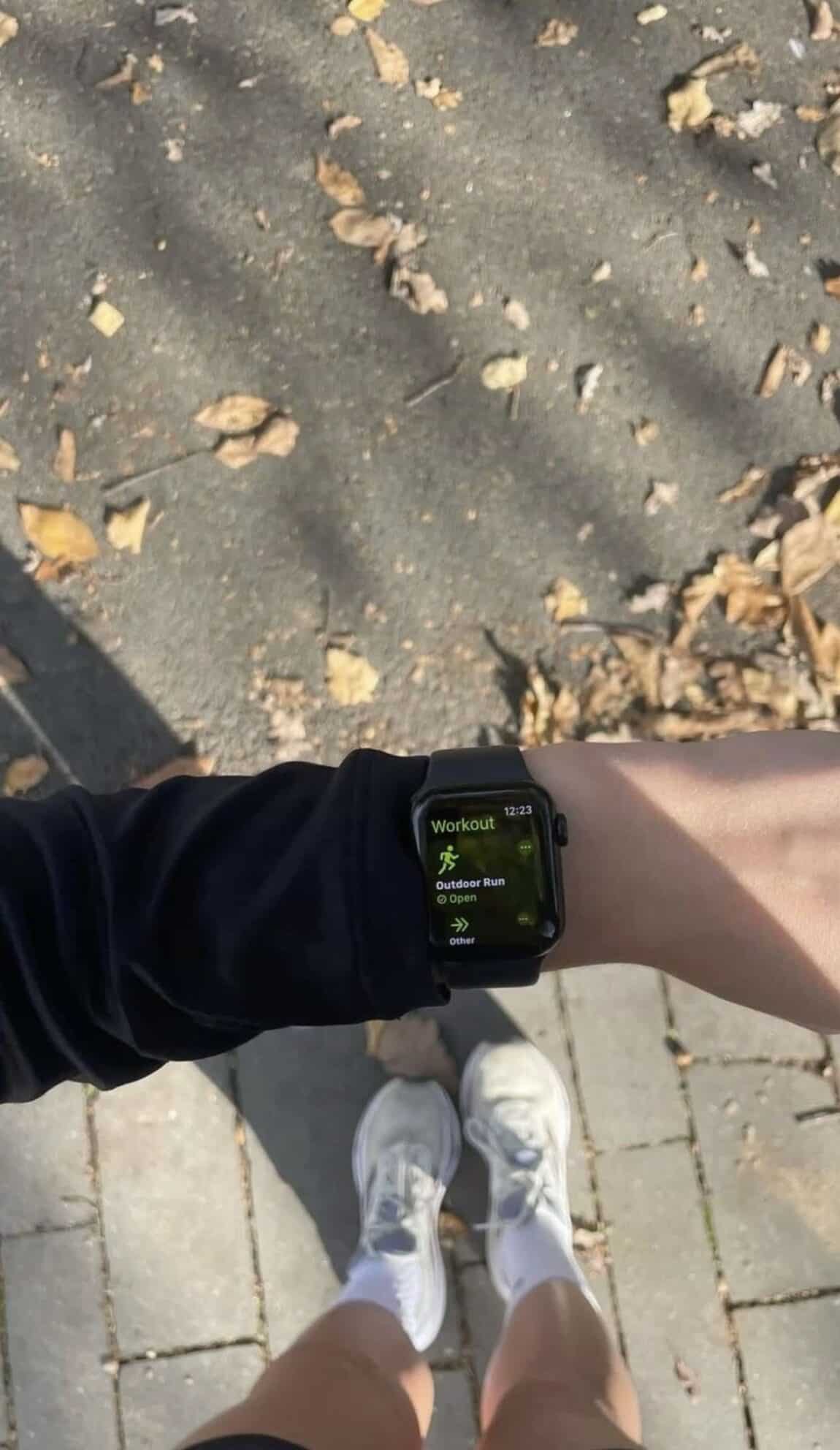
Japanese Walking Is Having a Moment — Here’s Why (And How to Try It)
Search interest in Japanese walking has surged nearly 3,000 percent over the past year, making it one of the fastest-growing fitness trends of 2026. Unlike most viral workouts, it is not a new invention chasing a trend cycle — it is a nearly two-decade-old, peer-reviewed method that just finally found its audience. Here is what Japanese walking actually is, why the research behind it is so strong, and exactly how to do it.
What Is Japanese Walking?
Japanese walking, more formally known as interval walking training (IWT), is a structured walking method that alternates between three minutes of brisk, fast-paced walking and three minutes of slower recovery walking, repeated for about 30 minutes total. It was developed by exercise physiologists Hiroshi Nose and Shizue Masuki at Shinshu University Graduate School of Medicine in Japan and first described in scientific literature back in 2007.
The method exists because a more obvious approach failed first. Researchers initially tested high-intensity continuous walking and found that participants complained it was too boring and too difficult to sustain. That failure led directly to the interval format Japanese walking is now known for — a design built around actual human adherence, not just physiological ideals.
The Science: What the Research Actually Shows
This is where Japanese walking stands apart from most fitness trends: the data behind it is unusually strong and unusually old for something trending right now.
In one of the leading studies, researchers had 246 middle-aged and older adults walk at high intensity for 30 minutes a day, more than four times a week, for five months, using this same interval structure. Compared to a group who walked at a continuous moderate pace, the interval walking group saw better results meaningfully across the board:
- VO2 max (aerobic fitness): improved by 14 percent with Japanese walking, compared to just 3 percent for steady-pace walking
- Leg and thigh strength: improved by roughly 13 percent
- Blood pressure: reduced more significantly than with continuous walking
- Arterial stiffness: reduced more in older adults compared to normal walking
- Blood sugar control: improved glycemic control shown in multiple studies, including benefits for people with type 2 diabetes
- Gait speed and physical quality of life: improved more than continuous walking in studies involving people with diabetes
With over two decades of peer-reviewed research behind it, Japanese walking is one of the most evidence-backed fitness trends to reach viral status in recent memory — a rare case where the hype and the data actually line up.
How to Do Japanese Walking, Step by Step
The structure of Japanese walking is intentionally simple, which is part of why it works as a sustainable habit rather than a short-lived challenge.
- Warm up with three to five minutes of easy walking.
- Walk briskly for three minutes. This should feel like roughly 70 percent effort — a pace where talking is difficult in full sentences, but not so hard that it feels unsustainable.
- Walk slowly for three minutes. Around 40 percent effort — an easy, recovery pace where breathing returns to normal.
- Repeat the fast-slow cycle five times, for a total of about 30 minutes.
- Cool down with a few minutes of easy walking to finish.
No equipment is required, though a basic interval timer or a simple watch works well for keeping track of the three-minute segments without needing to check a phone constantly. The original research protocol calls for doing this at least four times a week, though even a few sessions weekly still delivers meaningful benefits over steady-pace walking alone.
Why This Method Beats Steady-Pace Walking
The intervals are the entire point of Japanese walking. Alternating effort levels pushes the cardiovascular system into a higher-intensity zone during the brisk segments — which is what drives the outsized VO2 max and strength improvements — while the recovery segments make the full 30 minutes sustainable in a way that continuous high-intensity walking is not. It is a workout designed around the reality that people quit exercise routines that feel miserable, not just ones that are ineffective. It manages to be both effective and tolerable, which is a genuinely rare combination in fitness research.
Who This Workout Is Especially Good For
Japanese walking is accessible to nearly everyone, but the research base makes it particularly compelling for a few groups: older adults looking to build strength and cardiovascular fitness without high-impact strain, anyone managing blood sugar or working toward better metabolic health, and busy people who want a genuinely time-efficient workout that does not require a gym, equipment, or a steep learning curve. It also pairs naturally with a lower-intensity, recovery-focused approach to fitness for anyone easing back into regular movement.
Getting Started
The easiest way to start is to pick a flat, safe route. A sidewalk, park path, or treadmill all work. Then use a phone timer set to alternate three-minute intervals. Effort level matters more than exact pace or speed, since fitness levels vary widely. The brisk interval should feel noticeably harder than a normal walking pace, and the recovery interval should feel like an obvious, welcome slowdown. Three sessions a week is a reasonable starting point for anyone new to Japanese walking, building up toward the four-plus sessions used in the original research as it becomes a habit.
FAQ: Japanese Walking
How is Japanese walking different from regular walking?
Regular walking is done at one consistent pace throughout. Japanese walking alternates between three minutes of brisk effort and three minutes of easy recovery, which research shows produces significantly greater improvements in aerobic fitness, leg strength, and blood pressure than walking at a steady pace for the same amount of time.
How long does it take to see results?
The primary research studies measured results after five months of consistent practice, four or more times per week. Some benefits, like improved energy and mood, tend to show up sooner. While measurable changes in VO2 max and strength typically build over several months.
Do I need special shoes or equipment for Japanese walking?
No special equipment is required beyond comfortable, supportive walking shoes. A basic interval timer or smartwatch makes tracking the three-minute segments easier, but is not strictly necessary.
Is Japanese walking better than running for fitness?
They serve different purposes. Japanese walking is lower-impact and more sustainable for a wider range of fitness levels and joint conditions. It still meaningfully delivers better cardiovascular results than steady-pace walking. Running may build cardiovascular fitness faster for some people, but it comes with more impact-related risk.
How many days a week should I do Japanese walking?
The original research protocol used four or more sessions per week for the strongest results. But starting with two to three sessions a week is a reasonable, sustainable entry point for anyone new to interval walking training.
To read more on fitness, check out Low-Impact Workouts for Women with Hashimoto’s: 9 Thyroid-Friendly Moves That Work
The Bottom Line
Japanese walking earns its viral moment honestly. It’s backed by nearly twenty years of peer-reviewed research. It requires no equipment or gym membership, and delivers measurably better results. Even more than steady-pace walking in less total effort than most people assume. Three minutes brisk, three minutes easy, repeated for half an hour. It might be the simplest evidence-backed workout upgrade available right now.
Disclaimer: This article is for informational purposes only and is not medical advice. Consult a healthcare provider before starting a new exercise program, especially when managing a chronic health condition.
