
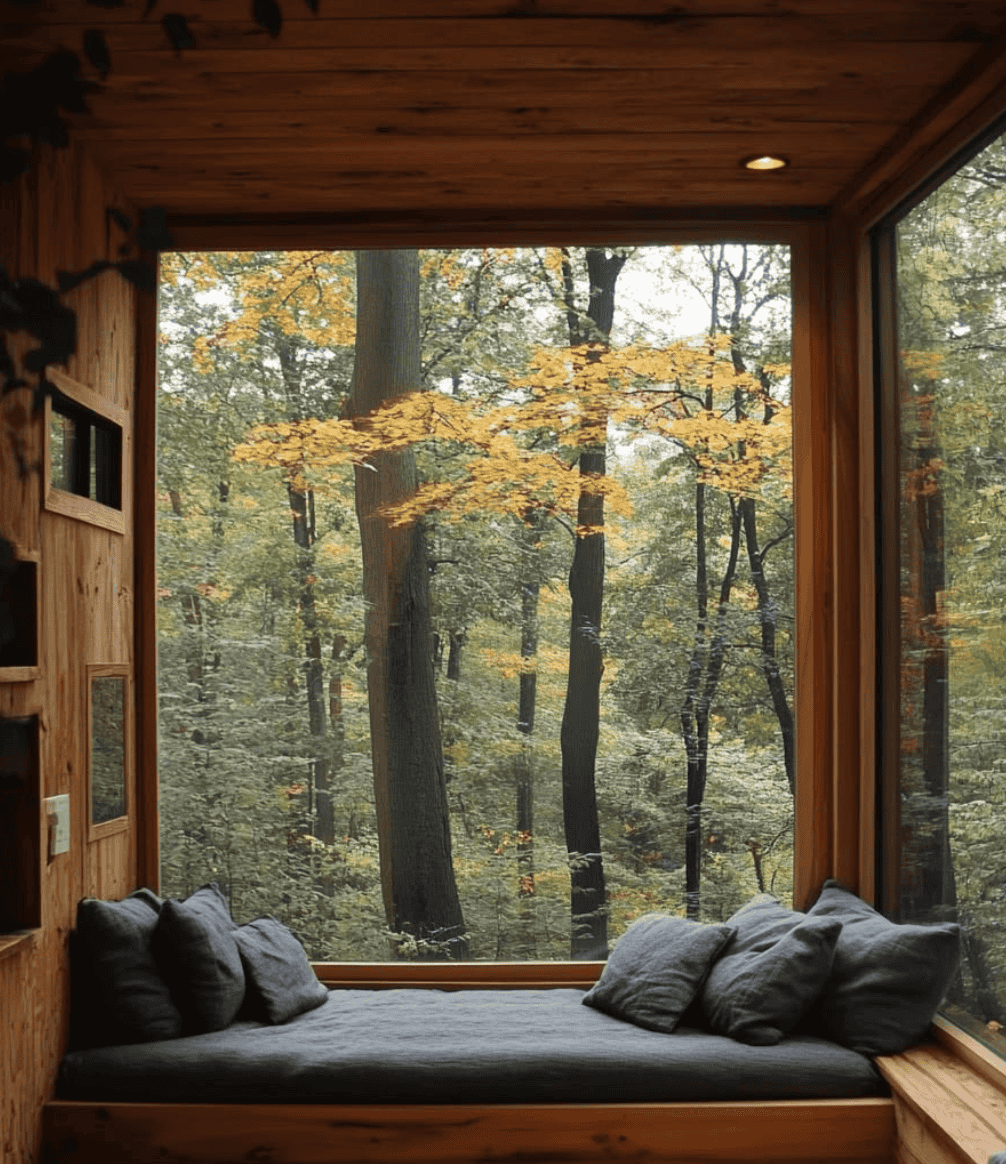
Quietcations: Why Silence Is 2026’s Biggest Travel Trend
Silence has become the most in-demand amenity in travel, and quietcations are the reason why. Instead of packing an itinerary with tours, reservations, and a sunrise hike that requires a 4 a.m. alarm, a quietcation is built around one radical goal: doing almost nothing, somewhere quiet, on purpose. It is the anti-itinerary vacation, and in 2026 it is what travelers are actually booking.
Hilton’s 2026 Trends Report named this shift “hushpitality,” and the numbers behind it are hard to ignore. Here is what quietcations are, why the demand exploded, where to take one, and how to plan a trip like this without a luxury-resort budget.
What Is a Quietcation, Exactly?
A quietcation is a trip designed around rest, low stimulation, and minimal connectivity rather than sightseeing. Think forest cabins with no Wi-Fi, a coastal rental with nothing scheduled, a dark-sky destination chosen for the stars, or a hotel that markets soundproofing the way other hotels market rooftop bars.
The defining feature is not the destination — it is the absence of noise, both literal and digital. No group tours. No packed schedule. And no pressure to come home with a camera roll that justifies the flight. These trips trade the highlight reel for a nervous system that actually gets a break.
That framing matters, because the biggest barrier to this kind of trip is guilt. A lot of travelers feel they need to earn a vacation by maximizing it. Quietcations flip that logic entirely: the rest is the point, not the byproduct.
The Data Behind the Boom
This is not a niche wellness fantasy. It shows up clearly in the 2026 travel research:
- Rest is the top reason people travel now. In Hilton’s global survey, the number one motivation for leisure travel in 2026 was “to rest and recharge,” at 56 percent.
- 57 percent of U.S. travelers say they would be interested in a quiet or silent retreat.
- 53 percent are interested in a reading retreat specifically — a genre that barely existed as a mainstream category a few years ago.
- 67 percent want nature immersion, 60 percent are open to spiritual retreats, and 56 percent are interested in meditation or silent retreats.
- 50 percent of travelers are actively seeking digital detox experiences to counter chronic burnout.
- Time in nature (37 percent) and improving mental health (36 percent) rank near the top of travel motivations, alongside 20 percent who simply want “me time.”
- Even business travelers are in on it: 27 percent now actively seek alone time on work trips to re-energize.
Hotels noticed. Silent retreat programs have appeared at urban luxury properties in New York, London, and Singapore, where guests hand over their devices and spend 24 to 72 hours in designated silent zones. Sleep tourism has become its own category, with rooms engineered for blackout darkness, soundproofing, and cool temperatures. Even literary tourism — the reading-retreat corner of this trend — generated $2.4 billion last year and is projected to reach $3.3 billion by 2034.
Why Quietcations Took Off Right Now
The short answer is noise fatigue. Not just traffic and open-plan offices, but notifications, group chats, algorithmic feeds, and the low-grade hum of being reachable at all times. Sensory overload has become the default setting of daily life, and a vacation that adds more stimulation on top of it does not fix the problem — it postpones it.
There is also a growing cultural comfort with rest as a legitimate goal rather than laziness. The same shift that made rest days the new fitness flex is now reshaping travel. Recovery stopped being the thing you apologize for and started being the thing you plan for.
And practically speaking, quietcations are often cheaper than the alternative. A trip with no tours, no tasting menus, and no packed transit schedule costs meaningfully less than a city break with a spreadsheet attached.
What One Actually Looks Like Day to Day
There is no single format, but most of these trips share a few traits:
- Low-density surroundings. Space matters more than luxury. Sea horizons, forests, open sky, and few people are the actual amenities.
- Minimal or intentional connectivity. Some travelers go fully offline; others just delete two apps and turn off notifications. Both count.
- A nearly empty itinerary. One loose plan a day, maximum. Often zero.
- Sleep as a priority, not an afterthought. No red-eye flights, no 6 a.m. departures, no cramming.
- Sensory softness. Natural light, natural sound, and long stretches of nothing scheduled.
A quietcation can be a five-day cabin stay or a single weekend an hour from home. Distance is not what makes it work — the absence of obligation is.
Where to Go: Quietcation Destinations Worth Considering
Dark-sky destinations. Certified dark-sky parks and reserves have become pilgrimage sites for travelers chasing what the industry now calls “starbathing” — intentional time under a genuinely dark night sky. Minimal light pollution helps reset circadian rhythm, and there is almost nothing to do there after sunset, which is the whole appeal.
Quiet parks and wilderness trails. Designated quiet parks — areas protected specifically for their natural soundscapes — are the purest version of this trip. Namibia’s Tok Tokkie Trails sits in Africa’s first designated wilderness quiet park and inside an international dark sky park.
Sleep-focused hotels. Properties like the Equinox Hotel in New York have built rooms around recovery, including a “Dark. Quiet. Cool.” setting that drops the room to 66°F and closes the blackout blinds in one press.
Off-season coastal towns. One of the most underrated options, and by far the most affordable. A beach town in its shoulder season delivers exactly what this trend promises — low density, water sounds, and very little open — at a fraction of peak pricing.
Cabins and rural rentals within driving distance. No airport, no connections, no jet lag. For a first attempt at this kind of trip, a two-hour drive beats a two-flight itinerary every time.
How to Plan One Without a Luxury Budget
The trend has a luxury-marketing problem: silence is being sold as a premium product. It does not have to be one.
- Book the shoulder season. Same destination, fewer people, lower rates. Quiet is essentially free in October.
- Choose driving distance over flying. Travel days are the loudest, most stressful part of any trip.
- Filter listings for what you actually need: no shared walls, no road noise, blackout curtains, a kitchen so meals do not require reservations.
- Skip the “retreat” label. Formal silent retreats can run into the thousands. A rental cabin with the phone in a drawer produces a similar result.
- Block the calendar honestly. Tell people you are unreachable before leaving, not after arriving. Half the value comes from removing the expectation of a response.
- Pack for stillness: books, a real notebook, comfortable layers, an eye mask, earplugs, and a plan for what to do with your hands when boredom sets in around hour six.
That boredom, by the way, is normal — and it usually breaks around day two. Most people report the first 24 hours feeling restless before the mode actually switches.
Quietcations vs. Regular Vacations
A traditional vacation is measured by what got seen and done. Quietcations are measured by how you feel on the flight or drive home. That is a meaningfully different success metric, and it changes every decision — where to stay, how long to go, what to book, what to skip.
It also pairs unusually well with traveling alone. With 26 percent of travelers planning a solo trip in 2026 and 48 percent adding solo days before or after a group trip, the overlap is obvious: solo travel and quiet travel solve for the same thing, which is control over your own pace.
FAQ: Quietcations
What is a quietcation?
A quietcation is a trip designed around rest, silence, and minimal stimulation rather than sightseeing. It typically involves a low-density destination, limited connectivity, an intentionally empty itinerary, and a focus on sleep and nervous-system recovery.
Do quietcations have to be expensive?
No. While luxury hotels market silence as a premium amenity, the core requirements — low noise, low density, no schedule — are often cheapest in the off-season, in rural rentals, or in coastal towns outside peak months.
How long should a quietcation be?
Three to five nights is a common sweet spot, since most people need about 24 hours to settle out of go-mode. A single weekend still works, especially somewhere within driving distance.
Is a quietcation the same as a digital detox?
Not exactly, though they overlap. A digital detox focuses specifically on removing screens, while this kind of trip addresses total sensory load — noise, crowds, scheduling pressure, and connectivity together.
Can you take a quietcation with other people?
Yes, as long as everyone agrees on the ground rules first. Mismatched expectations are the fastest way to ruin one — a trip where one person wants silence and another wants a full itinerary satisfies neither.
The Bottom Line
Quietcations are not a rebrand of doing nothing. They are a response to a specific problem: a lot of people return from vacation more depleted than when they left. Booking a trip where rest is the entire agenda — not the reward for finishing the itinerary — is why this trend has momentum heading into the rest of 2026.
Pick somewhere quiet. Book fewer nights than you think you need if the budget is tight. Then leave the schedule empty on purpose.
