
• About
  • Podcasts
  • Lifestyle
    • Beauty
    • Fashion
    • Fitness
    • Home
  • Wellness
    • Chronic Illness
    • Warriors
  • Parenting
    • Kids and Toddlers
    • Teens and Tweens
  • Recipes
    • Breakfast
    • Lunch
    • Dinner
    • Snacks
  • Travel
  • Shop
    • Beauty and Wellness
    • Fashion
    • Home
    • My Amazon Storefront
  • Contact

Purfect Sunday

by Monti Wheeler

Chronic Illness

Low-Impact Workouts for Women with Hashimoto’s: 9 Thyroid-Friendly Moves That Work

July 5, 2026
this post may contain affiliate links. this means i may earn a small commission if you purchase a product through my link at no extra cost to you. all selections are curated by me and opinions remain my own.

If your fitness app keeps yelling at you to “push harder” while your thyroid is quietly begging for a nap, this one is for you. Hashimoto’s is sneaky like that — one day you feel like you could hike a mountain, the next day folding laundry counts as cardio. The good news? You do not have to choose between staying strong and protecting your energy. Low-impact workouts are the sweet spot, and they actually do more for women with Hashimoto’s than HIIT classes ever could.

Welcome to your no-shame, no-burnout, Purfect Sunday guide to moving your body in a way that works for your thyroid and your body.

Why Low-Impact Workouts Are a Game-Changer for Hashimoto’s

Hashimoto’s thyroiditis is an autoimmune condition where the immune system mistakes your thyroid for the enemy. The result? Fatigue that hits like a freight train, brain fog, joint pain, weight that refuses to budge, and a nervous system that overreacts to stress like it just chugged three energy drinks.

Here is the part nobody tells you: high-intensity exercise can actually make Hashimoto’s symptoms worse. Hard cardio, long boot camps, and heavy lifting sessions spike cortisol — the stress hormone — and chronically elevated cortisol can stall thyroid function, slow T4-to-T3 conversion, and trigger flare-ups. That is why you can leave a “killer” workout feeling more wrecked than refreshed.

Low-impact movement, on the other hand, does the opposite. It keeps cortisol steady, supports lymphatic drainage, builds lean muscle, regulates blood sugar, and signals to your nervous system that you are safe. Translation: more energy, less inflammation, better sleep, and a metabolism that finally feels like it is on your team.

What Counts as “Low-Impact”?

Low-impact does not mean low-effort. It means at least one foot stays grounded, your joints are not getting pounded, and your heart rate stays in a moderate, sustainable zone — think conversation pace, not gasping-for-air pace. You can absolutely build strength, mobility, and endurance with low-impact training without sending your immune system into overdrive.

9 Low-Impact Workouts Built for Hashimoto’s Energy Levels

1. Walking (Yes, Really)

Walking is the most underrated workout for women with Hashimoto’s. A 20- to 45-minute walk improves circulation, lowers cortisol, supports digestion, and helps with that stubborn Hashimoto’s belly bloat. Bonus points for walking outside — sunlight helps regulate circadian rhythm, which directly impacts thyroid hormone production. Aim for a brisk pace where you can talk but not sing, three to five times a week.

2. Yoga (Especially Restorative and Yin)

Yoga is basically a love letter to your nervous system. Restorative yoga and yin yoga activate the parasympathetic (“rest and digest”) response, which is exactly what an inflamed thyroid needs. Poses like legs-up-the-wall, supported child’s pose, and reclined butterfly are gold-star moves for autoimmune recovery. Skip the 90-minute hot power flow — heat plus intensity can spike inflammation and dehydrate you fast.

3. Pilates

Pilates builds deep core strength, improves posture, and tones long, lean muscles without crushing your joints or your adrenals. It is also amazing for the lower back pain that often accompanies Hashimoto’s. Mat Pilates is free on YouTube; reformer Pilates is the splurge worth saving for.

4. Swimming and Water Aerobics

Water takes 90% of your body weight off your joints, which is a literal gift when Hashimoto’s joint pain is flaring. Swimming is full-body cardio that feels half as hard as it actually is, and warm-water aerobics classes are excellent for muscle recovery and lymphatic flow.

5. Strength Training (Slow and Steady Wins)

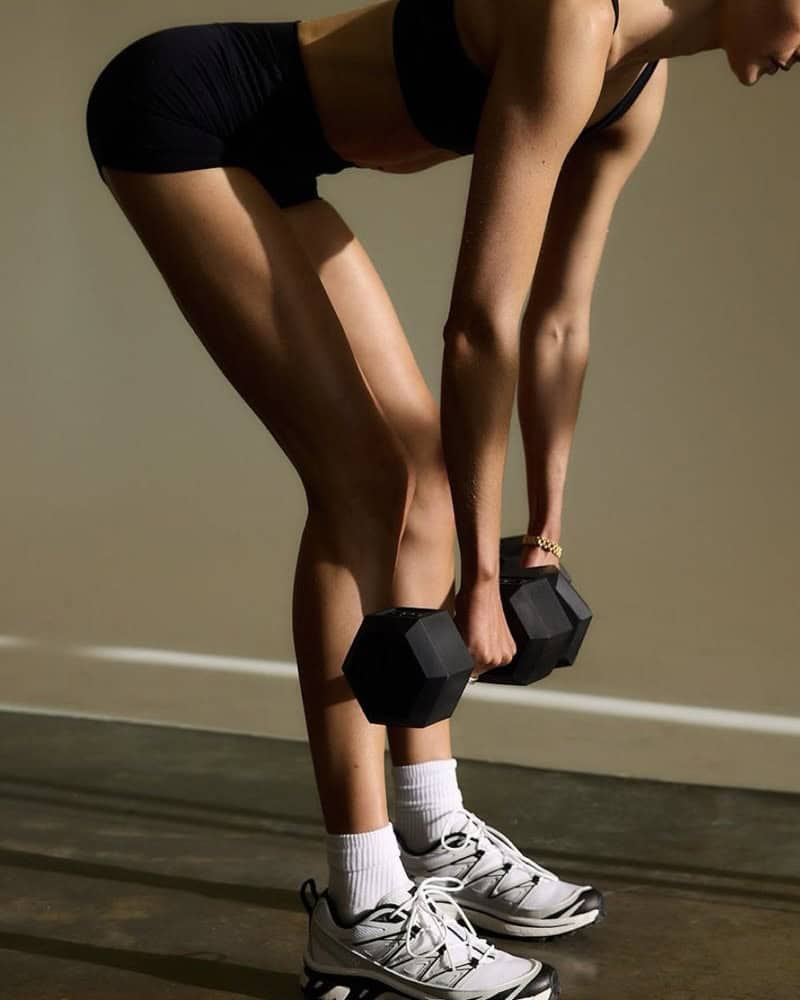
Yes, lift weights — just not the way Instagram tells you to. Two to three short strength sessions per week (20 to 30 minutes) with moderate weights and slower tempos preserve and build muscle, which is critical because Hashimoto’s can quietly chip away at lean mass. More muscle means better metabolism, better blood sugar control, and stronger bones. Focus on compound moves: squats, deadlifts, rows, presses, lunges. Rest 60 to 90 seconds between sets. Stop one or two reps before failure.

6. Barre

Barre is sneaky-effective. It blends Pilates, ballet-inspired movement, and light strength work into a low-impact format that builds endurance without overtaxing the nervous system. The small, controlled movements also encourage mind-muscle connection — perfect on brain-fog days when complicated choreography sounds like torture.

7. Tai Chi and Qigong

If anyone has cracked the code on gentle-but-powerful, it is these ancient practices. Tai chi and qigong have research supporting reduced inflammation, lower cortisol, improved balance, and better immune regulation. Meditation in motion — exactly what a stress-sensitive condition wants.

8. Recumbent Biking or Elliptical (Easy Pace)

When the weather is rough or your joints are flaring, low-resistance biking or elliptical work for 20 to 30 minutes keeps blood flowing without joint impact. Keep the intensity conversational. The goal is gentle cardio, not a sweat puddle.

9. Stretching and Mobility Flows

Tight hips, achy shoulders, stiff neck — Hashimoto’s loves to live in your fascia. Ten to fifteen minutes of mobility work daily improves circulation, reduces pain, and helps you sleep better. A foam roller, a tennis ball, and a yoga strap are the only gear required.

A Sample Hashimoto’s-Friendly Workout Week

  • Monday: 30-minute walk + 10 minutes of mobility
  • Tuesday: 25-minute strength training (full body, moderate weights)
  • Wednesday: Restorative yoga (30 to 45 minutes)
  • Thursday: 20-minute Pilates + 20-minute walk
  • Friday: Rest, gentle stretching, or a leisurely swim
  • Saturday: 25-minute strength training + 15-minute walk
  • Sunday: Yin yoga or tai chi — protect this day for true recovery

Notice what is missing: HIIT, two-a-days, and 5 a.m. boot camps. Not because you can’t, but because you do not need to. Less really is more here.

Signs You Are Overdoing It (Even With “Low-Impact”)

Hashimoto’s bodies give feedback fast. Watch for lingering exhaustion the day after a workout, racing heart at rest, disrupted sleep, mood crashes, increased joint pain or swelling, longer recovery from a cold, or weight changes that seem out of nowhere. If any of these show up, scale back the intensity, add rest days, and rebuild slowly. Recovery is not lazy — it is part of the program.

Recovery Habits That Multiply Your Results

Workouts only work if your body can actually recover from them. A few non-negotiables for women with Hashimoto’s: prioritize 7 to 9 hours of sleep, because the thyroid does most of its repair work overnight. Eat protein at every meal (aim for 25-35 grams) to support muscle and hormone production. Hydrate with water and electrolytes — dehydration tanks energy and slows recovery. Manage stress like it is a part-time job, because for an autoimmune body, it kind of is. And do not skip the post-workout snack — a balance of protein and carbs within an hour of exercise helps stabilize blood sugar and prevents the dreaded cortisol crash.

The Mindset Shift That Changes Everything

Here is the truth bomb: fitness with Hashimoto’s isn’t about doing less just because you can’t keep up. It is about doing exactly the right amount so your body finally has what it needs to thrive. Strong, energized, and consistent beats burnt-out and bedridden every single time.

Some weeks, you will crush six workouts. Some weeks, two walks and a stretch session are the win. Both count. Both are working. The goal is a body that supports the rest of your life — not one that demands you sacrifice it.

FAQ: Low-Impact Workouts and Hashimoto’s

Can exercise reverse Hashimoto’s?

No single workout can reverse Hashimoto’s, but consistent low-impact movement lowers inflammation, improves thyroid hormone conversion, and significantly reduces symptoms. It is one of the most powerful tools in the toolkit, alongside medication, sleep, nutrition, and stress management.

Is HIIT bad if you have Hashimoto’s?

Not always, but it should be used sparingly and only when symptoms are minimal and recovery is strong. Most women with active Hashimoto’s symptoms feel worse with frequent HIIT due to the cortisol spike. Two short, low-intensity-interval sessions per month are usually a safer ceiling than two per week.

How long should a Hashimoto’s-friendly workout be?

Most sessions should land between 20 and 45 minutes. Longer, lower-intensity walks or yoga are fine. Anything over 60 minutes at moderate-to-high intensity often pushes the recovery line for autoimmune bodies.

What is the best time of day to work out with Hashimoto’s?

Late morning to early afternoon is the sweet spot for most women, because cortisol naturally peaks earlier and dips later — meaning you have energy without taxing the adrenals. If mornings are the only window, keep it gentle and refuel right after.

Will low-impact workouts help with weight loss?

Yes. Consistent low-impact movement combined with strength training builds muscle, improves insulin sensitivity, regulates cortisol, and supports thyroid function — all of which matter way more for Hashimoto’s weight loss than burning maximum calories in one session.

The Bottom Line

Hashimoto’s does not mean giving up on fitness. It means rewriting the rules so your body is a partner in the process, not a punching bag. Walking, yoga, Pilates, swimming, strength training, barre, tai chi, easy cardio, and mobility work — pick three to five favorites and rotate them through your week.

Be gentle. Be consistent. Trust the process. Your thyroid (and your future self) will thank you. To read more on wellness and Hashimostos, click here.

Disclaimer: This article is for informational purposes only and is not medical advice. Always consult your doctor or endocrinologist before starting a new exercise program, especially if you have an autoimmune condition like Hashimoto’s.

0 Comments
Share

Leave a Comment Cancel Comment

Recipe Rating


You May Also Like

Dos And Don’ts of Exercising With Hashimoto’s

March 3, 2023

8 Most Common Autoimmune Diseases in the United States

January 27, 2022

Fake Naturally Glowing Skin When You Feel Unwell

March 17, 2022
Sign Up for Purfect Sunday Weekly Newsletter
Previous Post
How to Travel with Hashimoto’s Without Totally Exhausting Yourself
Hi, I'm Monti
Get To Know Me

Get To Know Me

I'm a lifestyle blogger, adventure seeker & full-time Mommy. I have a passion for all things beauty-related, fitness, fashion, travel, and healthy living. Purfect Sunday is where I share everything I learn along the way.

New Episodes Every Sunday. Listen now!

Instagram

comment “Spend” and I’ll send you the link 

The most important $27 I ever spent taught me why I overspend.

You buy something you didn’t really need. You feel amazing for about an hour. Then the good feeling quietly turns into guilt… and the little speech starts: why did I do that?

This week’s episode of the Purfect Sunday Podcast is about the emotional side of money — not budgeting or spreadsheets, the feelings underneath what and why we buy. 💛

Here’s what I learned the hard way:
→ Most spending was never about the thing. It’s about a feeling we’re trying to change — stress, sadness, boredom, loneliness, feeling invisible.

→ Breaking the cycle isn’t about white-knuckling your way through life never buying anything nice. It’s naming the emotion driving the need to shop, and putting time between the urge and the buy.

This week’s challenge: next time you feel the urge to buy something you weren’t planning on, pause before you check out and ask one question — what am I feeling right now?
comment “Spend” and I’ll send you the link 

The most important $27 I ever spent taught me why I overspend.

You buy something you didn’t really need. You feel amazing for about an hour. Then the good feeling quietly turns into guilt… and the little speech starts: why did I do that?

This week’s episode of the Purfect Sunday Podcast is about the emotional side of money — not budgeting or spreadsheets, the feelings underneath what and why we buy. 💛

Here’s what I learned the hard way:
→ Most spending was never about the thing. It’s about a feeling we’re trying to change — stress, sadness, boredom, loneliness, feeling invisible.

→ Breaking the cycle isn’t about white-knuckling your way through life never buying anything nice. It’s naming the emotion driving the need to shop, and putting time between the urge and the buy.

This week’s challenge: next time you feel the urge to buy something you weren’t planning on, pause before you check out and ask one question — what am I feeling right now?
comment “Spend” and I’ll send you the link 

The most important $27 I ever spent taught me why I overspend.

You buy something you didn’t really need. You feel amazing for about an hour. Then the good feeling quietly turns into guilt… and the little speech starts: why did I do that?

This week’s episode of the Purfect Sunday Podcast is about the emotional side of money — not budgeting or spreadsheets, the feelings underneath what and why we buy. 💛

Here’s what I learned the hard way:
→ Most spending was never about the thing. It’s about a feeling we’re trying to change — stress, sadness, boredom, loneliness, feeling invisible.

→ Breaking the cycle isn’t about white-knuckling your way through life never buying anything nice. It’s naming the emotion driving the need to shop, and putting time between the urge and the buy.

This week’s challenge: next time you feel the urge to buy something you weren’t planning on, pause before you check out and ask one question — what am I feeling right now?
•
Follow
comment “Spend” and I’ll send you the link The most important $27 I ever spent taught me why I overspend. You buy something you didn’t really need. You feel amazing for about an hour. Then the good feeling quietly turns into guilt… and the little speech starts: why did I do that? This week’s episode of the Purfect Sunday Podcast is about the emotional side of money — not budgeting or spreadsheets, the feelings underneath what and why we buy. 💛 Here’s what I learned the hard way: → Most spending was never about the thing. It’s about a feeling we’re trying to change — stress, sadness, boredom, loneliness, feeling invisible. → Breaking the cycle isn’t about white-knuckling your way through life never buying anything nice. It’s naming the emotion driving the need to shop, and putting time between the urge and the buy. This week’s challenge: next time you feel the urge to buy something you weren’t planning on, pause before you check out and ask one question — what am I feeling right now?
3 days ago
View on Instagram |
1/4
Your life can look completely different 6 months from now if you get strict with yourself and lock-in 🔒
•
Follow
Your life can look completely different 6 months from now if you get strict with yourself and lock-in 🔒
4 days ago
View on Instagram |
2/4
We officially have 6 months left in 2026 — and no, you are not behind.

Six months is enough time to lock in. To become the girl who drinks the water, reads the books, moves her body, takes care of her hair, skin and nails, and actually dresses like she’s the main character. Six months is enough time to glow up in any area of your life you’ve been putting off.

And here’s your reminder: money spent on your health, learning, and feeling your best — is never wasted. That’s not splurging. That’s investing in the woman you’re becoming.
Half the year is still yours. Let’s not waste it. 🤍
•
Follow
We officially have 6 months left in 2026 — and no, you are not behind. Six months is enough time to lock in. To become the girl who drinks the water, reads the books, moves her body, takes care of her hair, skin and nails, and actually dresses like she’s the main character. Six months is enough time to glow up in any area of your life you’ve been putting off. And here’s your reminder: money spent on your health, learning, and feeling your best — is never wasted. That’s not splurging. That’s investing in the woman you’re becoming. Half the year is still yours. Let’s not waste it. 🤍
6 days ago
View on Instagram |
3/4
My idea of a Perfect Sunday
•
Follow
My idea of a Perfect Sunday
1 week ago
View on Instagram |
4/4
Current Location

Current Location

Los Angeles
@monti_wheeler

@monti_wheeler

Better Every Day 🍋 host🎙️ @purfect_sunday ✉️ contact@purfectsunday.com
  • comment “Spend” and I’ll send you the link 

The most important $27 I ever spent taught me why I overspend.

You buy something you didn’t really need. You feel amazing for about an hour. Then the good feeling quietly turns into guilt… and the little speech starts: why did I do that?

This week’s episode of the Purfect Sunday Podcast is about the emotional side of money — not budgeting or spreadsheets, the feelings underneath what and why we buy. 💛

Here’s what I learned the hard way:
→ Most spending was never about the thing. It’s about a feeling we’re trying to change — stress, sadness, boredom, loneliness, feeling invisible.

→ Breaking the cycle isn’t about white-knuckling your way through life never buying anything nice. It’s naming the emotion driving the need to shop, and putting time between the urge and the buy.

This week’s challenge: next time you feel the urge to buy something you weren’t planning on, pause before you check out and ask one question — what am I feeling right now?
  • Your life can look completely different 6 months from now if you get strict with yourself and lock-in 🔒
  • We officially have 6 months left in 2026 — and no, you are not behind.

Six months is enough time to lock in. To become the girl who drinks the water, reads the books, moves her body, takes care of her hair, skin and nails, and actually dresses like she’s the main character. Six months is enough time to glow up in any area of your life you’ve been putting off.

And here’s your reminder: money spent on your health, learning, and feeling your best — is never wasted. That’s not splurging. That’s investing in the woman you’re becoming.
Half the year is still yours. Let’s not waste it. 🤍
  • My idea of a Perfect Sunday
  • Note to self: do a better job of romanticizing the everyday
  • 20 years from now, you’d give anything to be:
This exact age,
Exactly this healthy,
and back in this exact moment.
Now take a second to enjoy it 💛
  • Kicking off summer break☀️
View on Instagram
comment “Spend” and I’ll send you the link 

The most important $27 I ever spent taught me why I overspend.

You buy something you didn’t really need. You feel amazing for about an hour. Then the good feeling quietly turns into guilt… and the little speech starts: why did I do that?

This week’s episode of the Purfect Sunday Podcast is about the emotional side of money — not budgeting or spreadsheets, the feelings underneath what and why we buy. 💛

Here’s what I learned the hard way:
→ Most spending was never about the thing. It’s about a feeling we’re trying to change — stress, sadness, boredom, loneliness, feeling invisible.

→ Breaking the cycle isn’t about white-knuckling your way through life never buying anything nice. It’s naming the emotion driving the need to shop, and putting time between the urge and the buy.

This week’s challenge: next time you feel the urge to buy something you weren’t planning on, pause before you check out and ask one question — what am I feeling right now?
comment “Spend” and I’ll send you the link 

The most important $27 I ever spent taught me why I overspend.

You buy something you didn’t really need. You feel amazing for about an hour. Then the good feeling quietly turns into guilt… and the little speech starts: why did I do that?

This week’s episode of the Purfect Sunday Podcast is about the emotional side of money — not budgeting or spreadsheets, the feelings underneath what and why we buy. 💛

Here’s what I learned the hard way:
→ Most spending was never about the thing. It’s about a feeling we’re trying to change — stress, sadness, boredom, loneliness, feeling invisible.

→ Breaking the cycle isn’t about white-knuckling your way through life never buying anything nice. It’s naming the emotion driving the need to shop, and putting time between the urge and the buy.

This week’s challenge: next time you feel the urge to buy something you weren’t planning on, pause before you check out and ask one question — what am I feeling right now?
comment “Spend” and I’ll send you the link 

The most important $27 I ever spent taught me why I overspend.

You buy something you didn’t really need. You feel amazing for about an hour. Then the good feeling quietly turns into guilt… and the little speech starts: why did I do that?

This week’s episode of the Purfect Sunday Podcast is about the emotional side of money — not budgeting or spreadsheets, the feelings underneath what and why we buy. 💛

Here’s what I learned the hard way:
→ Most spending was never about the thing. It’s about a feeling we’re trying to change — stress, sadness, boredom, loneliness, feeling invisible.

→ Breaking the cycle isn’t about white-knuckling your way through life never buying anything nice. It’s naming the emotion driving the need to shop, and putting time between the urge and the buy.

This week’s challenge: next time you feel the urge to buy something you weren’t planning on, pause before you check out and ask one question — what am I feeling right now?
@monti_wheeler
@monti_wheeler
•
Follow
comment “Spend” and I’ll send you the link The most important $27 I ever spent taught me why I overspend. You buy something you didn’t really need. You feel amazing for about an hour. Then the good feeling quietly turns into guilt… and the little speech starts: why did I do that? This week’s episode of the Purfect Sunday Podcast is about the emotional side of money — not budgeting or spreadsheets, the feelings underneath what and why we buy. 💛 Here’s what I learned the hard way: → Most spending was never about the thing. It’s about a feeling we’re trying to change — stress, sadness, boredom, loneliness, feeling invisible. → Breaking the cycle isn’t about white-knuckling your way through life never buying anything nice. It’s naming the emotion driving the need to shop, and putting time between the urge and the buy. This week’s challenge: next time you feel the urge to buy something you weren’t planning on, pause before you check out and ask one question — what am I feeling right now?
3 days ago
View on Instagram |
1/7
@monti_wheeler
@monti_wheeler
•
Follow
Your life can look completely different 6 months from now if you get strict with yourself and lock-in 🔒
4 days ago
View on Instagram |
2/7
@monti_wheeler
@monti_wheeler
•
Follow
We officially have 6 months left in 2026 — and no, you are not behind. Six months is enough time to lock in. To become the girl who drinks the water, reads the books, moves her body, takes care of her hair, skin and nails, and actually dresses like she’s the main character. Six months is enough time to glow up in any area of your life you’ve been putting off. And here’s your reminder: money spent on your health, learning, and feeling your best — is never wasted. That’s not splurging. That’s investing in the woman you’re becoming. Half the year is still yours. Let’s not waste it. 🤍
6 days ago
View on Instagram |
3/7
My idea of a Perfect Sunday
@monti_wheeler
@monti_wheeler
•
Follow
My idea of a Perfect Sunday
1 week ago
View on Instagram |
4/7
Note to self: do a better job of romanticizing the everyday
@monti_wheeler
@monti_wheeler
•
Follow
Note to self: do a better job of romanticizing the everyday
1 week ago
View on Instagram |
5/7
@monti_wheeler
@monti_wheeler
•
Follow
20 years from now, you’d give anything to be: This exact age, Exactly this healthy, and back in this exact moment. Now take a second to enjoy it 💛
1 week ago
View on Instagram |
6/7
Kicking off summer break☀️
@monti_wheeler
@monti_wheeler
•
Follow
Kicking off summer break☀️
2 weeks ago
View on Instagram |
7/7
What I'm Loving

Shop My Current Favs

product_title_1
product_title_2
product_title_3
product_title_4
product_title_5
My Favorites

Where I Shop

Revolve

Saks Fifth Avenue

FWRD

Shopbop

Bloomingdales

Nordstrom

Sephora

Amazon

Urban Outfitters

H&M

Read the Latest

  • Low-Impact Workouts for Women with Hashimoto’s: 9 Thyroid-Friendly Moves That Work

    July 5, 2026
  • How to Travel with Hashimoto’s Without Totally Exhausting Yourself

    June 28, 2026
  • The Only Summer Basics You Actually Need in 2026

    June 21, 2026

Follow Along on Instagram

comment “Spend” and I’ll send you the link 

The most important $27 I ever spent taught me why I overspend.

You buy something you didn’t really need. You feel amazing for about an hour. Then the good feeling quietly turns into guilt… and the little speech starts: why did I do that?

This week’s episode of the Purfect Sunday Podcast is about the emotional side of money — not budgeting or spreadsheets, the feelings underneath what and why we buy. 💛

Here’s what I learned the hard way:
→ Most spending was never about the thing. It’s about a feeling we’re trying to change — stress, sadness, boredom, loneliness, feeling invisible.

→ Breaking the cycle isn’t about white-knuckling your way through life never buying anything nice. It’s naming the emotion driving the need to shop, and putting time between the urge and the buy.

This week’s challenge: next time you feel the urge to buy something you weren’t planning on, pause before you check out and ask one question — what am I feeling right now?
comment “Spend” and I’ll send you the link 

The most important $27 I ever spent taught me why I overspend.

You buy something you didn’t really need. You feel amazing for about an hour. Then the good feeling quietly turns into guilt… and the little speech starts: why did I do that?

This week’s episode of the Purfect Sunday Podcast is about the emotional side of money — not budgeting or spreadsheets, the feelings underneath what and why we buy. 💛

Here’s what I learned the hard way:
→ Most spending was never about the thing. It’s about a feeling we’re trying to change — stress, sadness, boredom, loneliness, feeling invisible.

→ Breaking the cycle isn’t about white-knuckling your way through life never buying anything nice. It’s naming the emotion driving the need to shop, and putting time between the urge and the buy.

This week’s challenge: next time you feel the urge to buy something you weren’t planning on, pause before you check out and ask one question — what am I feeling right now?
comment “Spend” and I’ll send you the link 

The most important $27 I ever spent taught me why I overspend.

You buy something you didn’t really need. You feel amazing for about an hour. Then the good feeling quietly turns into guilt… and the little speech starts: why did I do that?

This week’s episode of the Purfect Sunday Podcast is about the emotional side of money — not budgeting or spreadsheets, the feelings underneath what and why we buy. 💛

Here’s what I learned the hard way:
→ Most spending was never about the thing. It’s about a feeling we’re trying to change — stress, sadness, boredom, loneliness, feeling invisible.

→ Breaking the cycle isn’t about white-knuckling your way through life never buying anything nice. It’s naming the emotion driving the need to shop, and putting time between the urge and the buy.

This week’s challenge: next time you feel the urge to buy something you weren’t planning on, pause before you check out and ask one question — what am I feeling right now?
•
Follow
comment “Spend” and I’ll send you the link The most important $27 I ever spent taught me why I overspend. You buy something you didn’t really need. You feel amazing for about an hour. Then the good feeling quietly turns into guilt… and the little speech starts: why did I do that? This week’s episode of the Purfect Sunday Podcast is about the emotional side of money — not budgeting or spreadsheets, the feelings underneath what and why we buy. 💛 Here’s what I learned the hard way: → Most spending was never about the thing. It’s about a feeling we’re trying to change — stress, sadness, boredom, loneliness, feeling invisible. → Breaking the cycle isn’t about white-knuckling your way through life never buying anything nice. It’s naming the emotion driving the need to shop, and putting time between the urge and the buy. This week’s challenge: next time you feel the urge to buy something you weren’t planning on, pause before you check out and ask one question — what am I feeling right now?
3 days ago
View on Instagram |
1/5
Your life can look completely different 6 months from now if you get strict with yourself and lock-in 🔒
•
Follow
Your life can look completely different 6 months from now if you get strict with yourself and lock-in 🔒
4 days ago
View on Instagram |
2/5
We officially have 6 months left in 2026 — and no, you are not behind.

Six months is enough time to lock in. To become the girl who drinks the water, reads the books, moves her body, takes care of her hair, skin and nails, and actually dresses like she’s the main character. Six months is enough time to glow up in any area of your life you’ve been putting off.

And here’s your reminder: money spent on your health, learning, and feeling your best — is never wasted. That’s not splurging. That’s investing in the woman you’re becoming.
Half the year is still yours. Let’s not waste it. 🤍
•
Follow
We officially have 6 months left in 2026 — and no, you are not behind. Six months is enough time to lock in. To become the girl who drinks the water, reads the books, moves her body, takes care of her hair, skin and nails, and actually dresses like she’s the main character. Six months is enough time to glow up in any area of your life you’ve been putting off. And here’s your reminder: money spent on your health, learning, and feeling your best — is never wasted. That’s not splurging. That’s investing in the woman you’re becoming. Half the year is still yours. Let’s not waste it. 🤍
6 days ago
View on Instagram |
3/5
My idea of a Perfect Sunday
•
Follow
My idea of a Perfect Sunday
1 week ago
View on Instagram |
4/5
Note to self: do a better job of romanticizing the everyday
•
Follow
Note to self: do a better job of romanticizing the everyday
1 week ago
View on Instagram |
5/5

Copyright © 2026 Purfect Sunday. All Rights Reserved Site Powered by Pix & Hue.
Privacy & Disclaimer