
The Skincare Ingredients Everyone’s Talking About This Fall (Peptides, PDRN, Red Light Therapy)
Skincare has quietly shifted into what the industry is calling its “regenerative” era. Instead of chasing quick fixes, this year we see the biggest ingredient conversations in fall skincare are all about supporting skin’s own repair processes — think signaling molecules and light wavelengths instead of harsh actives. Three names keep coming up: peptides, PDRN, and red light therapy. Here is what each one actually does, backed by the current research, minus the hype.
Peptides: The Everyday Workhorse
Peptides are short chains of amino acids — the same building blocks that form collagen and elastin in skin. Beyond acting as structural material, certain peptides also function as signaling molecules that tell skin cells it’s time to ramp up repair and collagen production.
A few types show up most often in formulas:
- Signal peptides communicate directly with skin cells, prompting increased production of collagen and elastin, which helps soften the appearance of fine lines over time.
- Carrier peptides help deliver trace minerals like copper to the skin, supporting wound healing and enzyme activity.
- Multi-peptide blends combine multiple peptide types to achieve a broader range of effects in a single formula.
Worth using consistently; typically applied after cleansing and before moisturizer, as a serum or cream, since peptides work best in products that stay on the skin rather than rinse-off formulas.
The honest caveat: a recent review of peptide research found only a modest effect on wrinkle reduction overall, and most of that benefit came from oral peptide supplements rather than the topical serums most people actually use. Peptides are a solid, low-risk addition to a routine — just not a miracle ingredient on their own.

PDRN: The Regenerative Ingredient With a Catch
You may be wondering what PDRN is- short for polydeoxyribonucleotide- and it is made from fragments of DNA and has become one of the most talked-about ingredients in K-beauty-influenced skincare this year. It works by activating a receptor in skin cells often described as the skin’s “calm and rebuild” switch, which helps dial down inflammation so the skin’s repair processes can get to work. Reported benefits include improved skin barrier function, reduced redness, and support for collagen production.
Here is the catch that does not always make it into the marketing: traditional PDRN is sourced from salmon. For anyone who prefers to keep their routine fully plant-based, that is a dealbreaker on its own.
The good news is the fall skincare lineup is full of vegan alternatives. Plant-derived PDRN, sourced from ingredients like rose, ginseng, and green tea, has research showing comparable bioactivity to salmon-derived versions in stimulating skin cell repair and collagen production, though the body of evidence is still newer and smaller than that for the animal-derived version. For anyone drawn to PDRN’s benefits but wanting a plant-based option, it is worth specifically searching out formulas labeled “vegan PDRN” or “phyto-PDRN” rather than assuming all PDRN products are interchangeable. But here is a great option below.
Red Light Therapy: The One With the Most Consistent Research
Of the three fall skincare types, red light therapy has the most straightforward scientific backing. Specific wavelengths of red and near-infrared light stimulate collagen and elastin production, improve circulation, and calm inflammation at the cellular level. In one clinical study, over 90 percent of patients who received red light treatments over several weeks reported visible improvement — smoother skin, less redness, and lighter dark spots.
At-home devices have made this far more accessible than it used to be. General guidance points to sessions of 10 to 20 minutes, done three to five times a week, though daily short sessions are also considered safe. Longer sessions do not necessarily mean faster results — skin cells can only absorb so much light energy in a single sitting, so consistency matters more than duration.
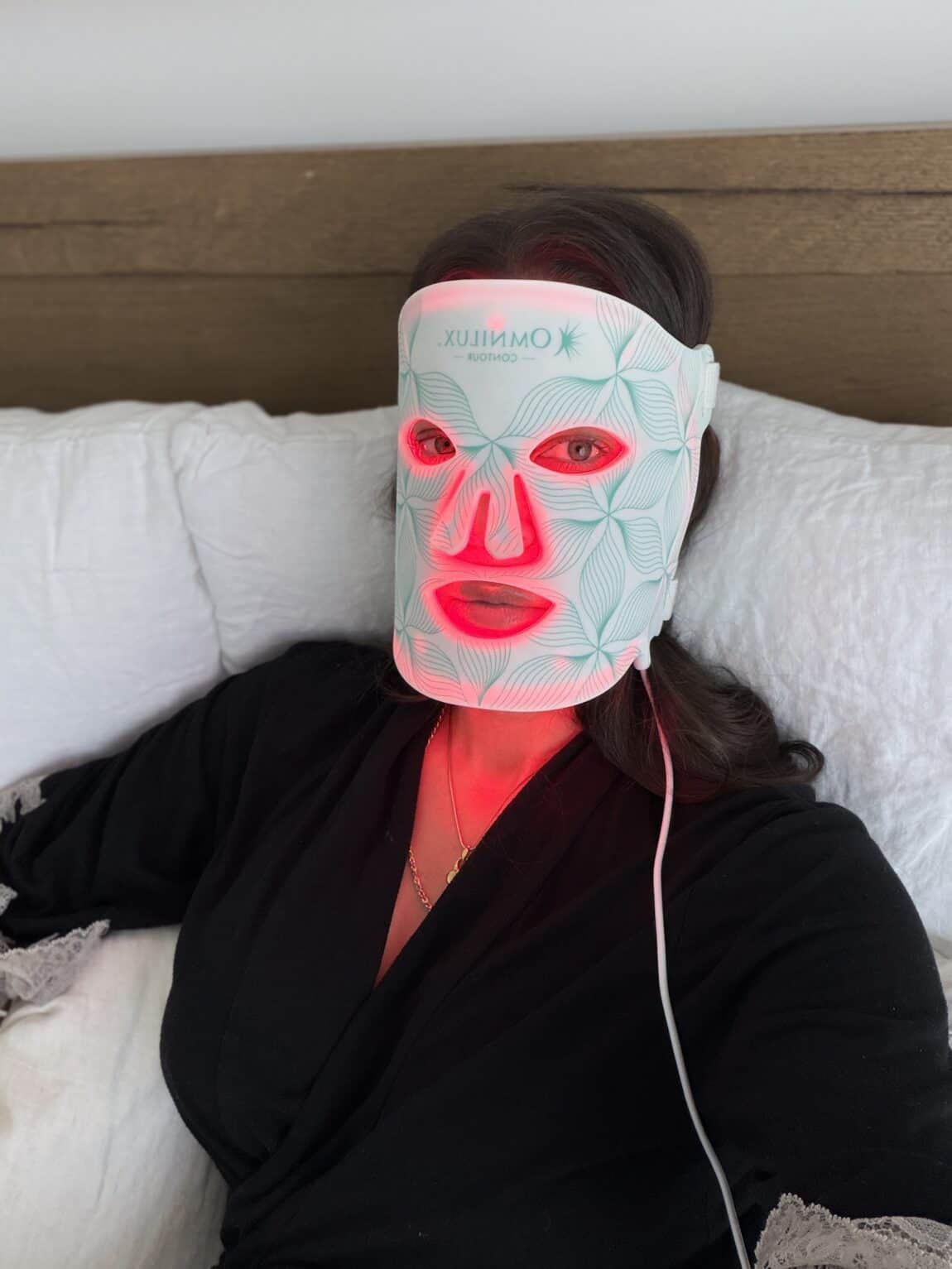
The biggest thing to know going in: red light therapy is not a one-time fix. Meaningful improvement in skin quality tends to show up after a few months of regular use, not a few sessions. This mask from Omnilux is what I’ve been using for the last 3 years.
How to Layer Them Together
These three do not compete with each other, which makes them easy to combine. A simple approach: use a peptide serum daily as part of a normal routine, apply PDRN (vegan or traditional) a few times a week as a targeted treatment, and use red light therapy sessions three to five times weekly, either before or after the rest of the routine. None of them require harsh exfoliants or aggressive actives to work, which makes this trio unusually gentle for the level of repair-focused benefit they offer.
What to Skip
Not every “regenerative” claim on a label deserves a spot in a routine. Be skeptical of products bundling PDRN, peptides, and a dozen other trending ingredients into one formula at low concentrations — that usually means too little of each to do much of anything. And no light device or serum replaces the basics: daily SPF, consistent hydration, and a barrier-supporting moisturizer are still doing more heavy lifting than any single trending ingredient.
FAQ: Peptides, PDRN, and Red Light Therapy
Can peptides and PDRN be used in the same routine?
Yes. They work through different mechanisms and layer well together — peptides as a daily serum step, PDRN as a more targeted, less frequent treatment.
Is vegan PDRN as effective as salmon-derived PDRN?
Early research suggests plant-derived PDRN shows comparable activity in stimulating skin cell repair, though the research base is still smaller and newer than what exists for salmon-derived PDRN. Both are considered legitimate options.
How soon will red light therapy show results?
Some people notice softer, smoother-looking skin within a few weeks, but the more meaningful improvements in skin quality typically take a few months of consistent use to show up.
Do peptides actually reduce wrinkles?
The research shows a modest effect from topical peptides, with most of the stronger wrinkle-reduction results coming from oral peptide supplements rather than serums and creams. Peptides are still worth using for overall skin support, just without expecting dramatic results from topical use alone.
Is red light therapy safe to use every day?
Generally, yes. Daily short sessions are considered safe by most guidance, though starting with three to five sessions a week and adjusting based on how skin responds is a reasonable approach.
The Bottom Line
Peptides, PDRN, and red light therapy represent the fall skincare shift toward working with skin’s own repair systems instead of against them. None of the three are overnight fixes, and none of them need to replace the fundamentals. Added consistently, on top of a solid base routine, they are a genuinely gentle, well-supported way to support skin over time — plant-based versions included. And after the long days of summer are over, it’s the perfect time to get cozy and get serious about your fall skincare. And for more on skincare, check out Glass Skin 101 next!
Xx Monti
Disclaimer: This article is for informational purposes only and is not medical advice. Patch test new products and consult a dermatologist before starting any new skincare treatment, especially light-based devices.
