
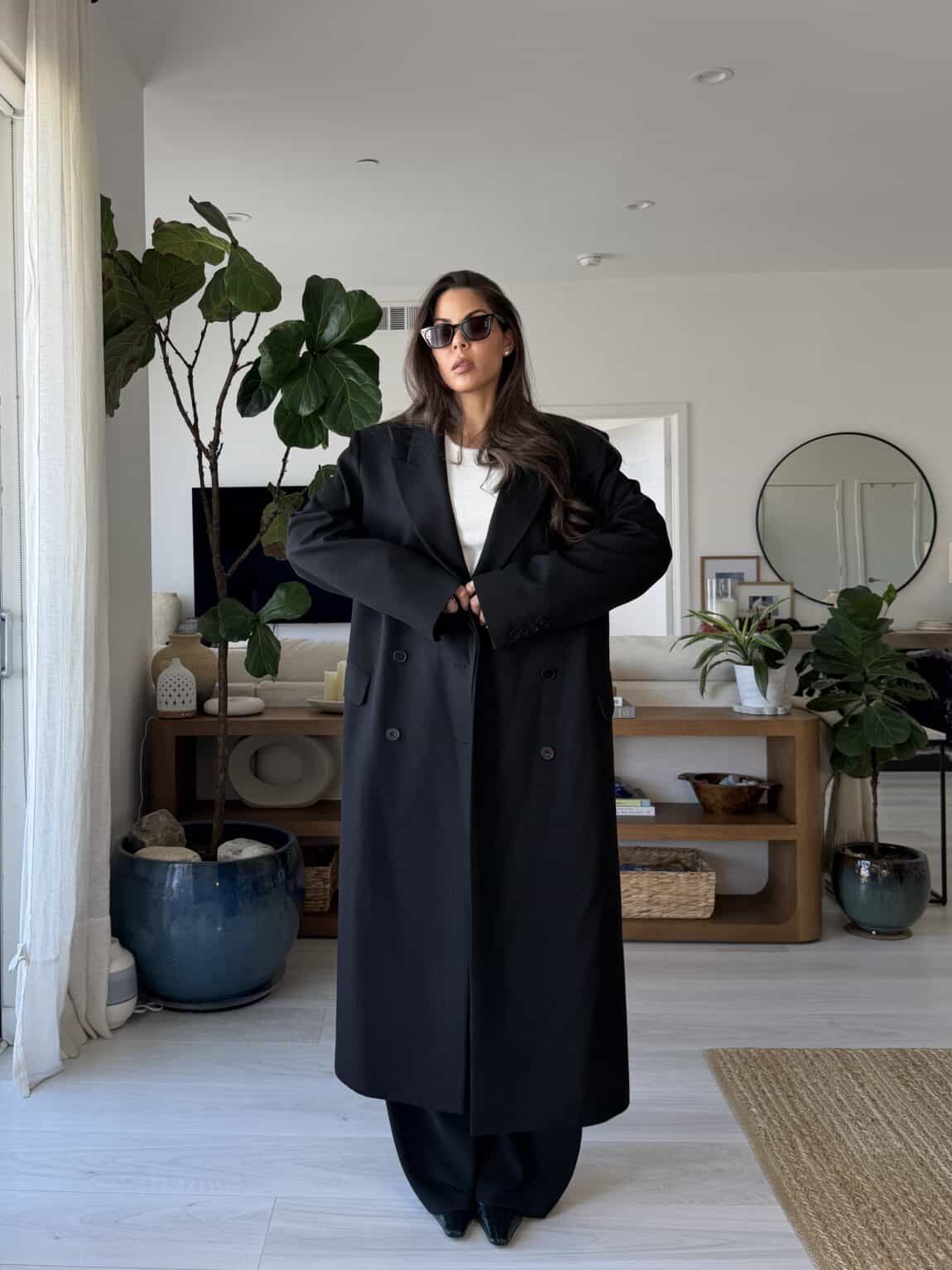
The Best Fall Jackets and Coats for 2026 -10 Styles Worth the Closet Space
There’s a specific kind of joy in that first genuinely cold morning — the one where a sweater isn’t enough anymore and the coat closet finally gets its moment. Fall outerwear is the rare wardrobe category that’s equal parts function and personality, which is exactly why picking the right one matters more than picking ten of the wrong ones.
This roundup of the best fall jackets and coats for 2026 breaks things down by style, so you can figure out which silhouettes actually belong in your rotation. Each one includes what to look for, how to wear it, and a realistic price range from budget to splurge.
Quick Look: The Best Fall Jackets and Coats at a Glance
| Style | Best For | Typical Price Range |
|---|---|---|
| Trench coat | Rainy commutes, polished layering | $90 – $600 |
| Wool car coat | Office days, cold-weather errands | $120 – $700 |
| Quilted jacket | Transitional weather, weekends | $60 – $350 |
| Bomber jacket | Casual outfits, mild fall days | $50 – $400 |
| Shearling & sherpa | Statement warmth, dry cold | $100 – $800 |
| Leather moto jacket | Evenings out, edge on basics | $100 – $900 |
| Suede jacket or trench | Dry fall days, texture-forward looks | $90 – $700 |
| Puffer coat | Serious cold, travel, snow | $80 – $600 |
| Blazer-coat hybrid | Work-to-dinner, structured looks | $80 – $400 |
| Denim jacket | Early fall, layering under coats | $40 – $250 |
1. The Trench Coat: Still the Most Useful Coat You Can Own
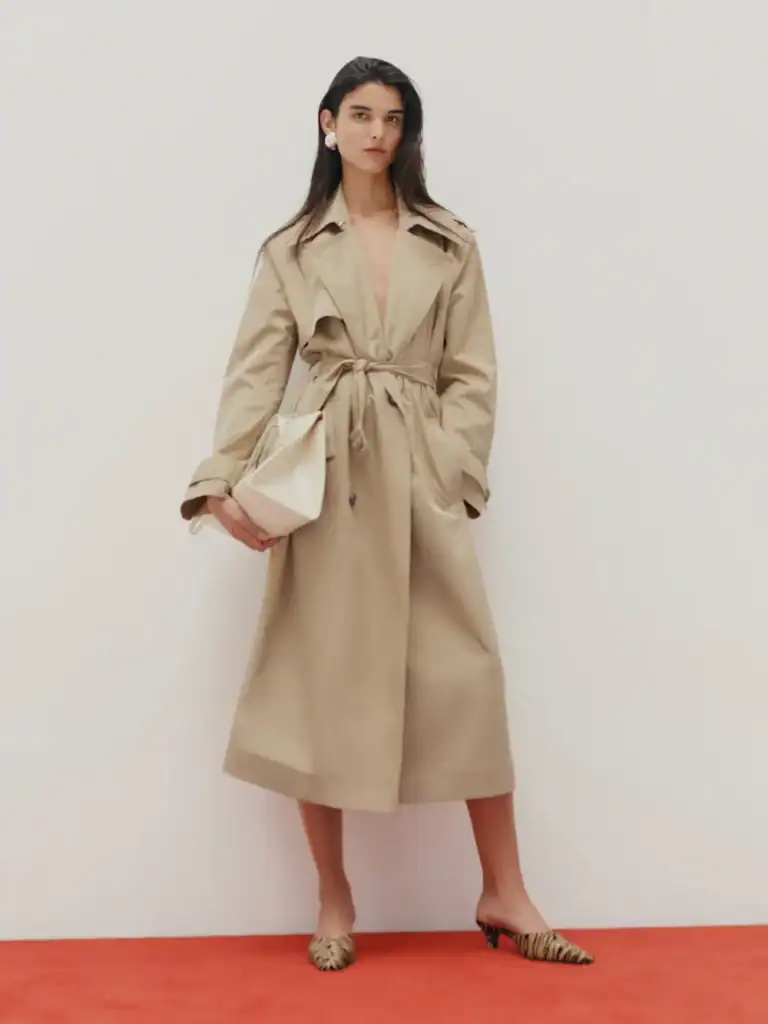
Nothing has dethroned the trench, and 2026 isn’t the year it happens. It handles drizzle, layers over almost everything, and reads polished without trying.
What to look for: A water-resistant cotton gabardine or a technical blend. Check that the sleeves clear your wrists when your arms are bent, not straight — that’s where cheap trenches give themselves away. A removable belt is worth more than it sounds; it lets one coat read structured or slouchy depending on the day.
Styling it: Belt it tight over a slip dress and boots for something sharp. Leave it open over jeans and a chunky knit when the goal is “put together without effort.”
Color call: Classic khaki is the safe bet, but oversized black and deep burgundy trenches are having a real moment this season.

2. The Wool Car Coat: The Grown-Up Upgrade
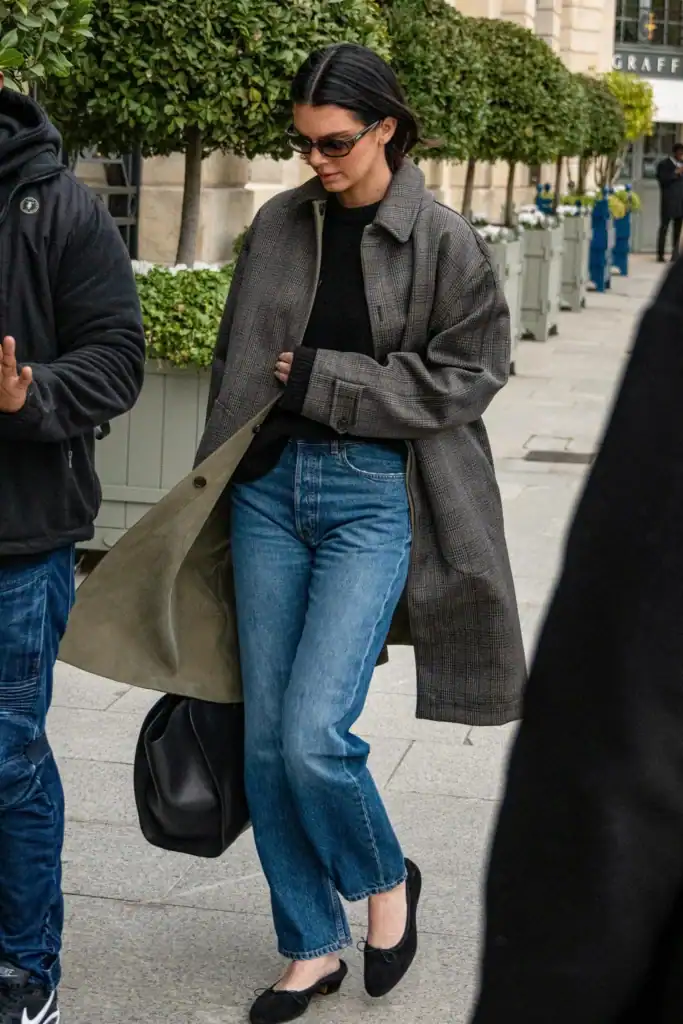
Car coats — knee-length or slightly above, straight-cut, minimal fuss — have been climbing for a few seasons and are firmly in the spotlight for fall 2026. They’re the answer for anyone who finds a full-length coat too dramatic and a jacket not warm enough.
What to look for: A wool content of at least 60% for real warmth. Fully lined with a bit of stretch in the shoulders so a sweater fits underneath. Camel, oatmeal, and warm taupe are the backbone shades this year and quietly go with everything.
Styling it: Wide-leg trousers and a loafer. That’s the whole formula, and it works every single time.
3. The Quilted Jacket: The Transitional MVP
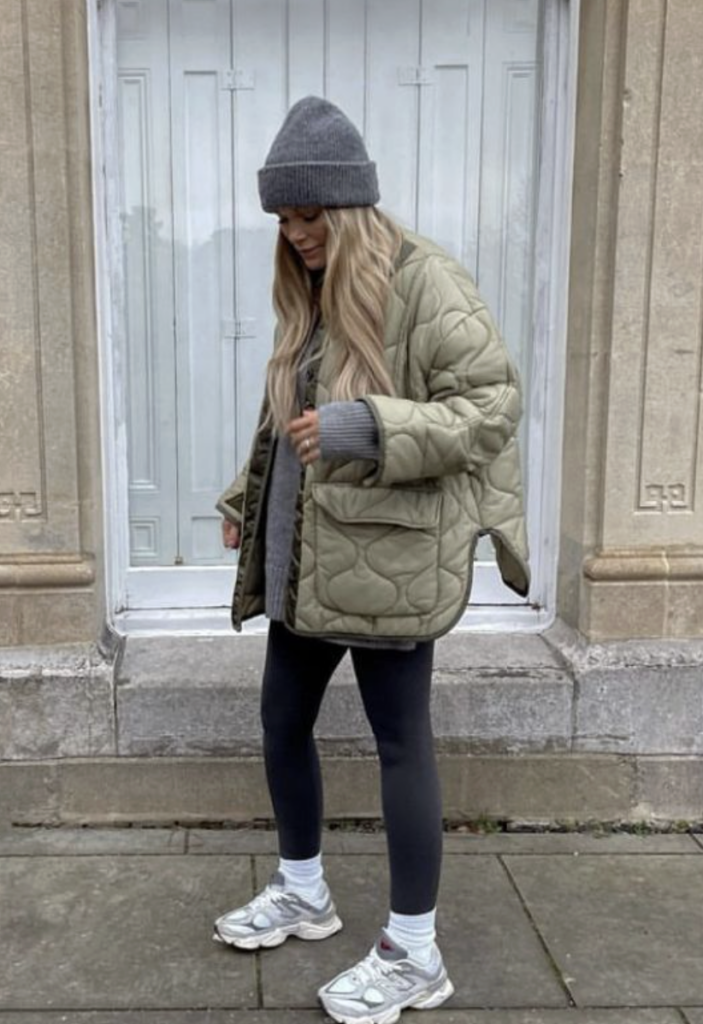
The quilted jacket is what gets worn most between September and mid-November — light enough that you won’t overheat on a sunny afternoon, warm enough for a cold morning.
What to look for: Diamond or channel quilting with a snap- or zip-front. Corduroy collar detailing adds a lot of charm for very little money. Look for a slightly boxy cut so it layers over a hoodie without pulling.
Styling it: Over leggings and sneakers for weekend errands, or unexpectedly over a midi dress for the high-low thing that always looks intentional.
Budget note: This is the category where inexpensive options genuinely hold up. There’s no need to spend more than $150 here unless you want to.
4. The Bomber Jacket: Casual, Cropped, Everywhere
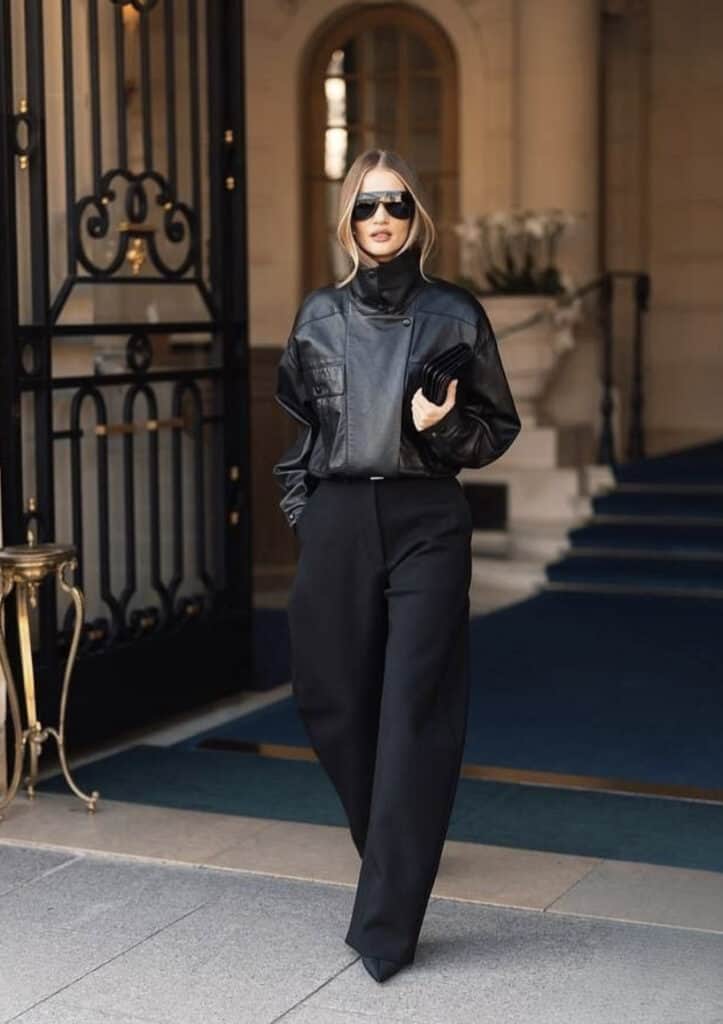
Cropped bombers are one of the strongest jacket trends heading into fall 2026, and they solve a specific problem: they add a layer without adding bulk to your outfit’s proportions.
What to look for: Ribbed cuffs and hem that actually grip rather than sag. Suede-look and quilted satin versions both feel current. A cropped length pairs best with high-waisted anything.
Styling it: Over a fitted tee with straight-leg jeans, or zipped up over a turtleneck when the temperature drops.
5. Shearling and Sherpa: Maximum Warmth, Maximum Texture
Plush shearling showed up all over the runways, and sherpa-lined styles are the accessible version of that same energy. This is the category to reach for when it’s cold and dry.
What to look for: Faux shearling with a dense pile — thin, flat versions look worn out within one season. Aviator and trucker silhouettes are the two shapes worth owning. Cream and chocolate brown both photograph beautifully.
Styling it: Keep the rest of the outfit sleek. A bulky texture on top works best with slim denim and a low-profile boot.
One caution: Shearling and rain aren’t friends. Keep a separate option for wet days.
6. The Leather Jacket: The One That Gets Better With Age
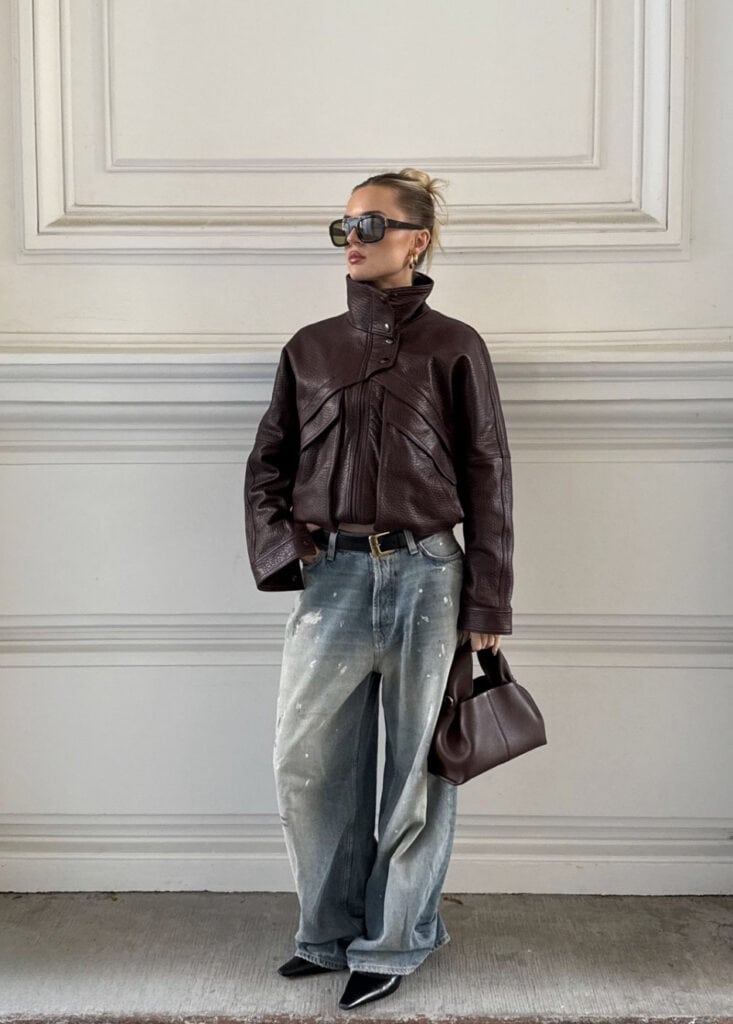
Oversized leather jackets are one of the defining outerwear shapes of fall 2026, and the moto silhouette remains the fastest way to make a simple outfit look considered. It’s also the rare purchase that improves with wear instead of wearing out.
What to look for: Lambskin is soft and drapes well; cowhide is heavier and more durable. Check the weight — anything paper-thin won’t hold its shape past a season. Inspect the hardware, since cheap zippers are the first thing to fail. Quilted or satin linings extend the jacket well into early winter.
Styling it: Over a floral dress for contrast, or over a hoodie for the double-layer look that reads effortless.
Fit note: Leather stretches slightly with wear, so a jacket that feels barely snug in the shoulders will usually settle. One that feels tight across the back won’t.
7. The Suede Jacket or Trench: The Texture Play of the Season
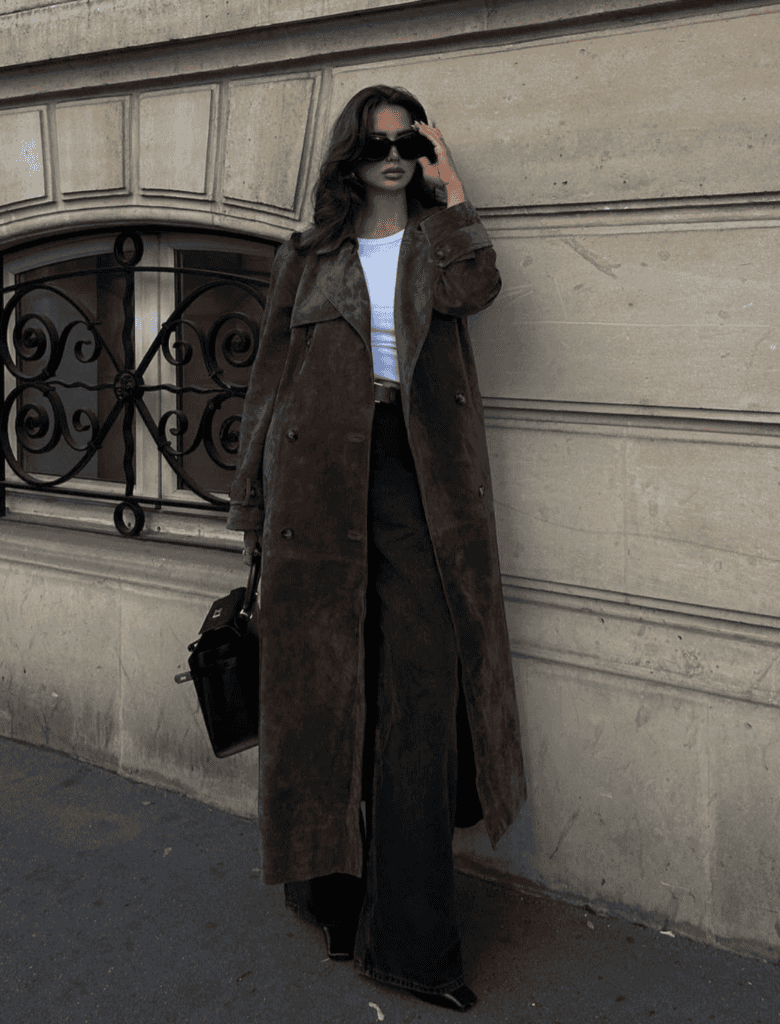
Suede is one of the clearest fall 2026 stories, showing up in trucker jackets, shirt jackets, and — most notably — full-length trenches. It reads richer than cotton and softer than leather, which makes it the fastest way to add depth to an outfit built on plain basics.
Suede trucker jacket: The workhorse version. Chest pockets, a button front, a slightly boxy cut. In cognac or tobacco, it does everything a denim jacket does but looks more expensive doing it.
Suede trench: The statement version, and one of the strongest single outerwear pieces available this season. The fabric’s weight gives the silhouette a fluid drape that cotton gabardine can’t touch. Camel and chocolate brown are the two shades doing the most work here.
What to look for: A supple hand-feel with a short, even nap — stiff or patchy suede is the giveaway on low-quality pieces. Check that the color is consistent across panels, since suede dyes unevenly and mismatched panels are common at lower price points. Microsuede and suede-look alternatives have gotten convincing if a lighter, more washable option is preferred.
Styling it: Suede does best with contrast. A trucker over a crisp white shirt and dark denim, or a suede trench over an all-black outfit so the texture is the only thing doing the talking.
One caution: Suede and rain are a bad match. A protective spray before the first wear is worth the ten minutes, and a suede brush will pull the nap back up after it flattens.
8. The Puffer Coat: When Function Wins
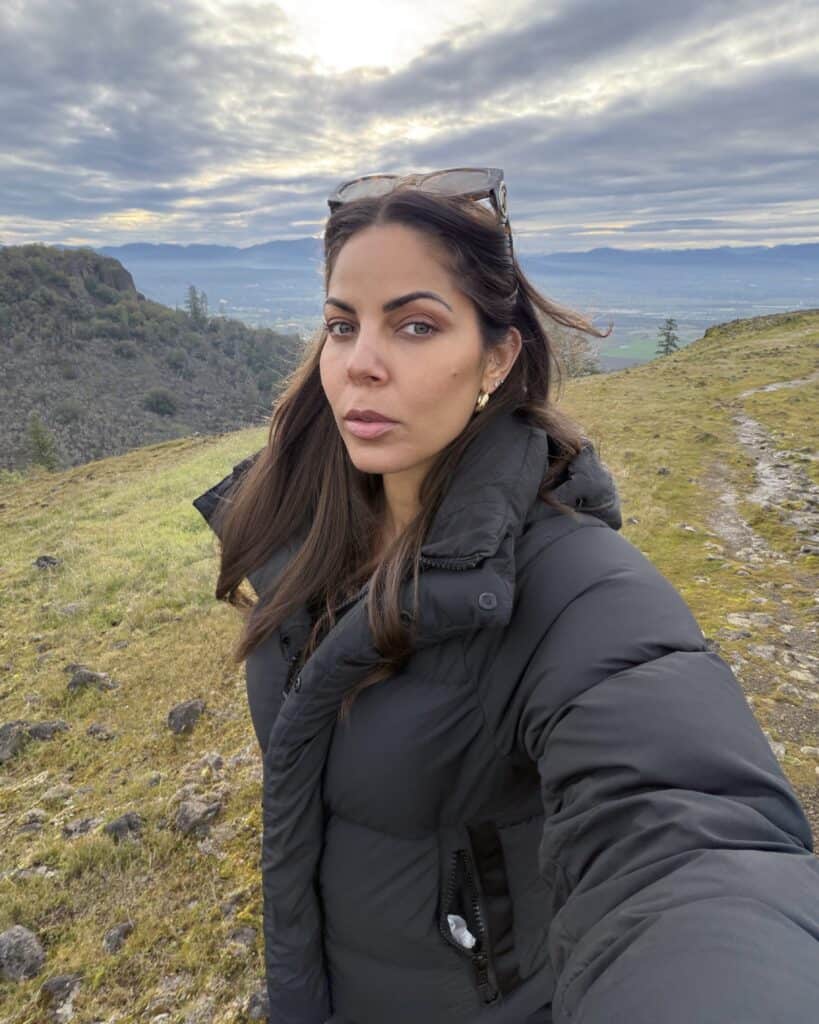
Some days call for warmth over aesthetics, and a well-cut puffer no longer means giving up on style. Belted and funnel-neck versions dominate for 2026.
What to look for: Recycled synthetic fill performs nearly as well as down and handles moisture better. A belt or drawcord at the waist is the difference between “chic” and “sleeping bag.” Longer lengths hitting mid-calf are trending and are noticeably warmer.
Styling it: Lean into the sporty contrast — a puffer over tailored trousers is a better look than a puffer over more sportswear.
9. The Blazer-Coat Hybrid: The Overlooked Workhorse
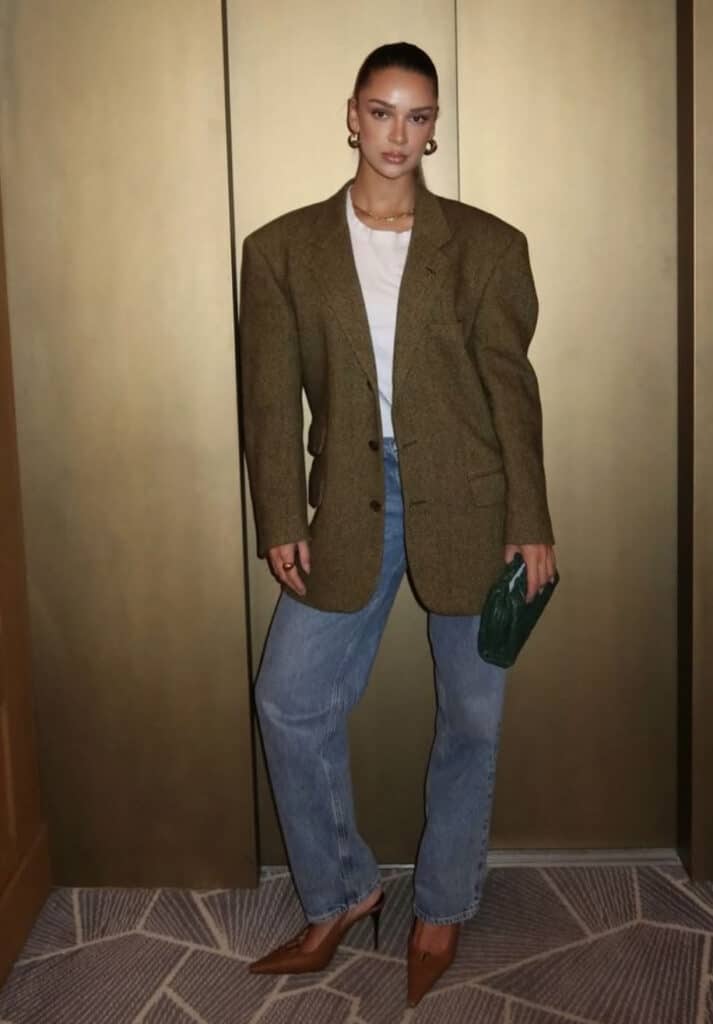
Somewhere between a blazer and a coat sits an oversized, unstructured jacket in coat-weight wool. It’s the piece that carries a work outfit straight into dinner.
What to look for: Double-breasted styling is especially strong this season. Look for a drop shoulder and enough room to layer a fine-gauge knit underneath. Bold plaid and windowpane checks add interest without needing accessories.
Styling it: Matching trouser for a full suited moment, or thrown over jeans and a tank to dress the whole thing up.
10. The Denim Jacket: The Early-Fall Default
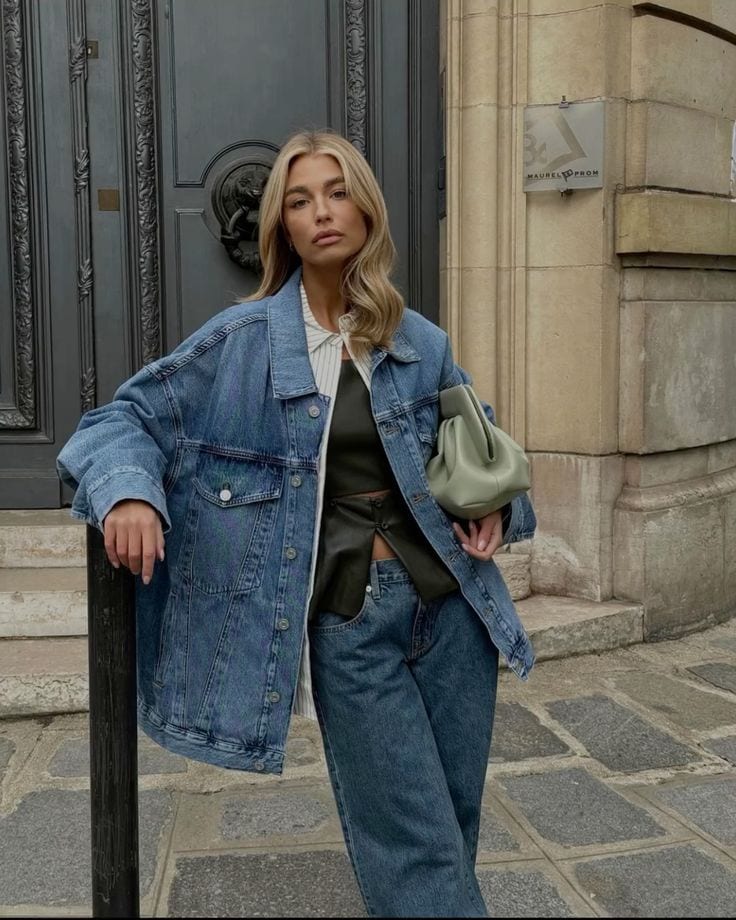
It’s not the most exciting entry on this list, but the denim jacket earns its spot through sheer frequency of use — and it layers under a bigger coat once real winter shows up.
What to look for: A mid-to-dark wash in a rigid or lightly stretched denim. Oversized cuts are still ahead of fitted ones. Sherpa-lined versions extend the season by a solid month.
How to Choose the Best Fall Jackets and Coats for You
A closet full of outerwear is fun; a closet full of outerwear you actually wear is better. A few questions that narrow things down fast:
How cold does it really get where you live? Someone in a mild climate gets far more use from three light layers than one heavy coat. Someone in a genuinely cold region should put the budget into one excellent warm coat and keep the rest cheap.
What’s the weather actually doing? Rain-prone areas need water-resistant fabrics as a non-negotiable. Dry cold means texture and natural fibers can shine.
What do your days look like? If most days are casual, a quilted jacket and a bomber will outperform an expensive wool coat that hangs unused.
Does it fit over a sweater? Try coats on over the thickest thing you’d realistically wear underneath. Coats bought over a t-shirt in a warm store have a way of becoming unwearable in December.
What’s Worth Splurging On
Not all of the best fall jackets and coats deserve the same budget. The spending logic is simple: put money into the pieces where construction shows. Wool coats, trenches, and shearling reward a higher price with better fabric, better lining, and a shape that holds up after a few seasons. Quilted jackets, bombers, and denim jackets look great at a fraction of the cost.
One well-made wool coat plus three inexpensive layering jackets will beat five mid-priced ones in both use and satisfaction. Every time.
Fall 2026 Color Cheat Sheet
Color does a lot of the work here. The best fall jackets and coats this season lean warm, rich, and slightly unexpected.
- Camel, oatmeal, warm taupe — the neutral foundation, works with nearly every existing wardrobe
- Deep burgundy — the it-shade of the season and surprisingly versatile
- Royal purple — the boldest trend color, best in a statement coat
- Chocolate brown — softer than black, still goes with everything
- Winter white and cream — striking, though it demands a bit of care
- Classic black — never a mistake, but consider texture to keep it interesting
Best Fall Jackets and Coats: Frequently Asked Questions
What’s the most versatile fall coat to buy first? A trench coat or a wool car coat in a neutral shade. Both dress up and down, layer over most outfits, and stay in style across seasons.
How many jackets does one person actually need for fall? Three usually covers it: one light transitional layer, one weather-resistant option, and one warm coat for the coldest weeks.
Are expensive coats worth the money? For wool coats, trenches, and shearling — usually yes, since fabric quality and construction are visible. For quilted jackets, bombers, and denim, budget options perform nearly as well.
What coat length is most flattering? Length matters less than proportion. Pair longer coats with slimmer bottoms and shorter jackets with fuller silhouettes, and almost any length works.
When should a fall coat be bought? Late August through September has the best selection. January and February have the best prices, if patience is an option.
The Takeaway
The best fall jackets and coats for 2026 aren’t about owning every trend — they’re about owning the three or four that match how you actually live. Start with the gap in your closet, buy the shape that fills it, and let the trend pieces come later.
Cold mornings are coming. Go be ready for them.
